What We See in Inspection Reports
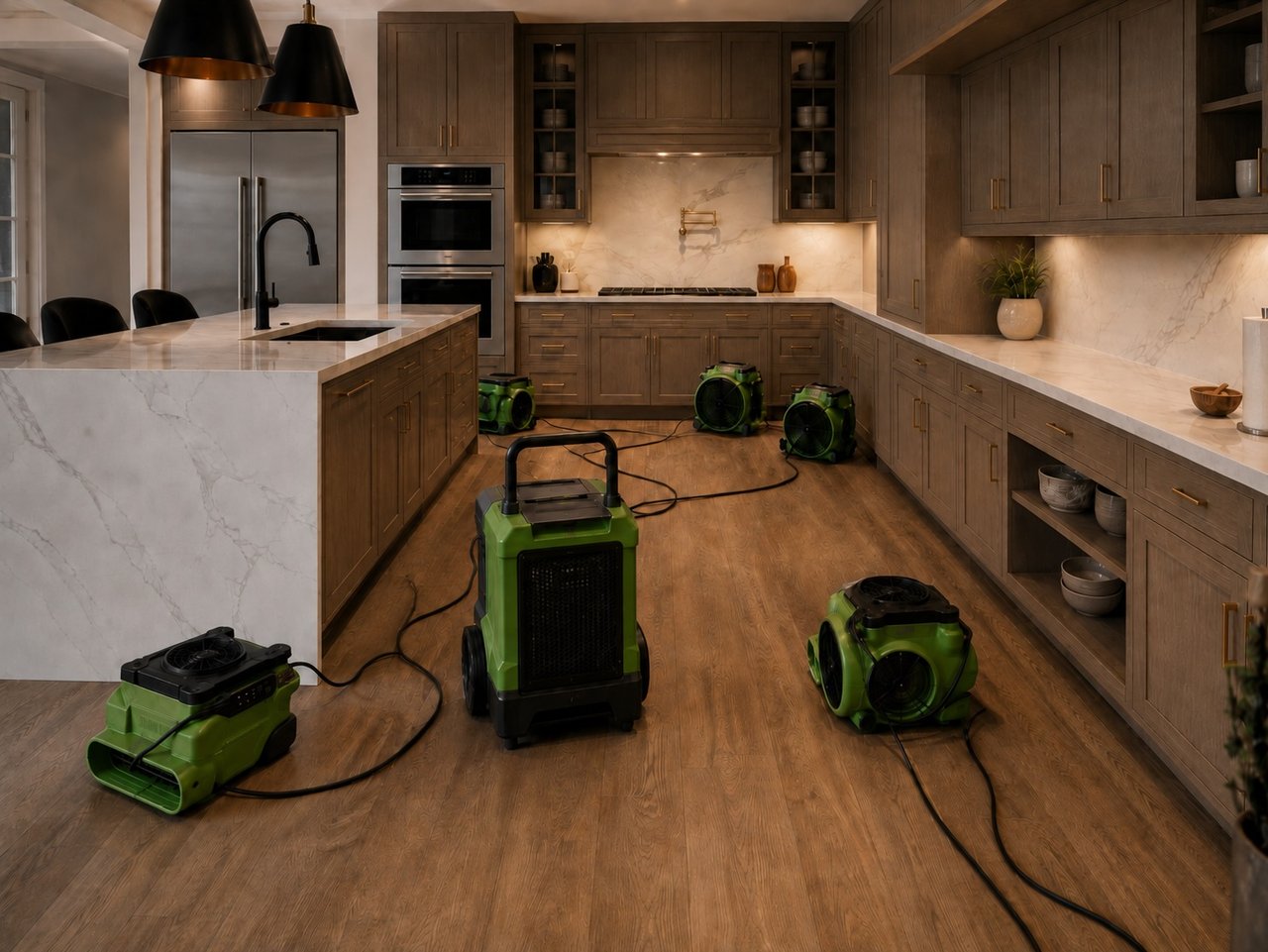
After representing nearly 2,000 home sales, patterns emerge. Water leak issues are the most frequently cited and most costly problem we see. Foundation, electrical and roof issues do not even come close.
Water leaks are often quiet, and they take time to daylight. A slab leak, a supply line behind a washing machine, a pinhole in a copper line inside a wall feeding an icemaker or refrigerator water line: none of these make noise, and none waits for anyone to be home. A leak caught the day it starts is vastly easier to resolve than the same leak found three weeks later, after water has reached drywall, subfloor, insulation, and cabinetry. What a leak costs to repair is almost entirely a function of how long it ran before anyone knew. Closing that gap between the start of the leak and its discovery is where money is well spent.
The available solutions are imperfect, but several of them can be really useful:
Start With Pressure
Start by finding your pressure regulator, usually on the main incoming water line.
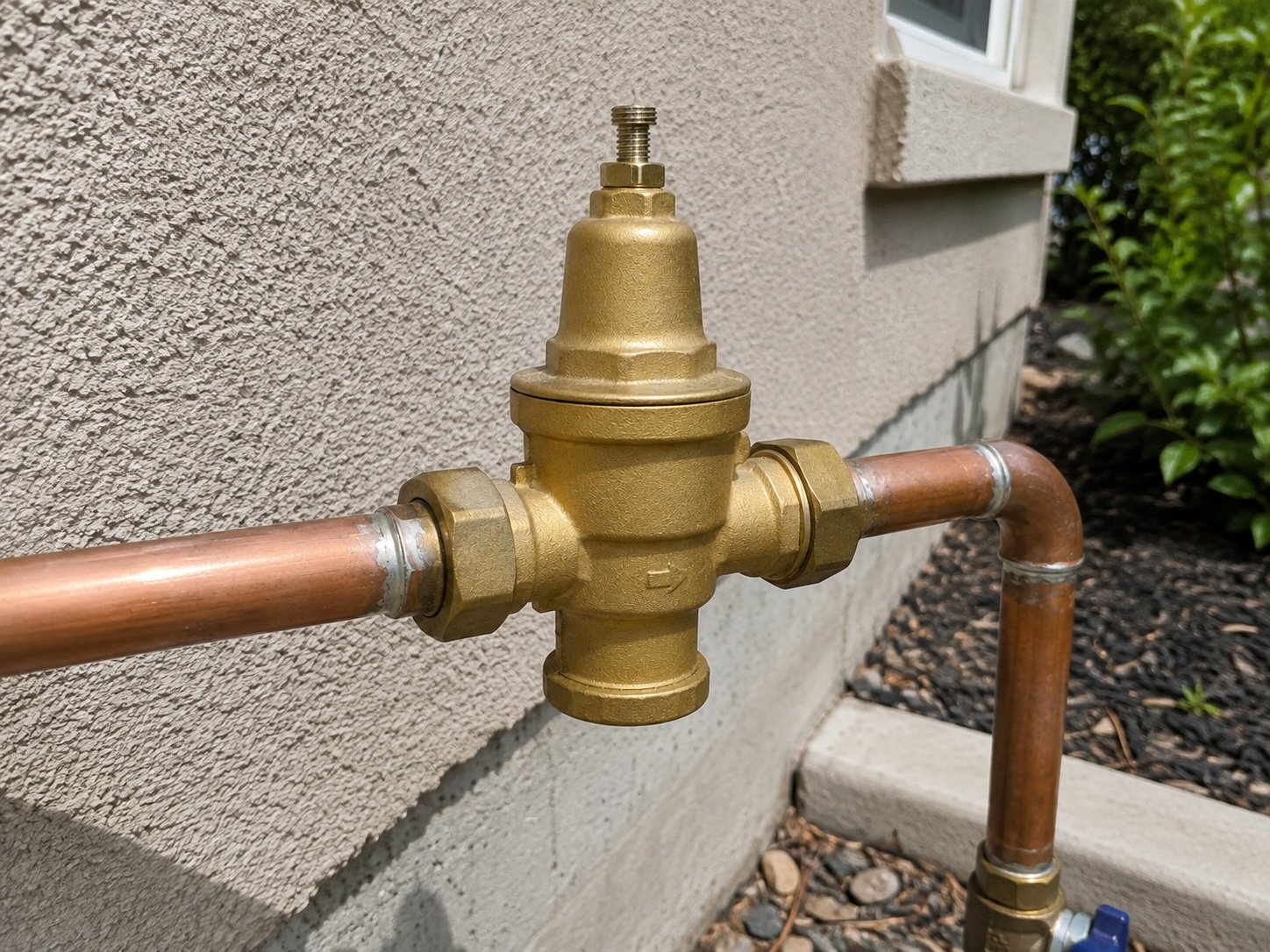
Incoming pressure should run between 50 and 75 psi. A pressure gauge from any hardware store threads onto a hose bib or a laundry hookup. Run no water anywhere in the house and read it. High pressure shortens the life of faucets, water heaters, washing machine hoses, ice maker lines, toilet fill valves, and the balance of the plumbing system. Appliance warranties can be voided by it. Codes vary, but expect any California city to require a regulator and to require pressure in the range above.
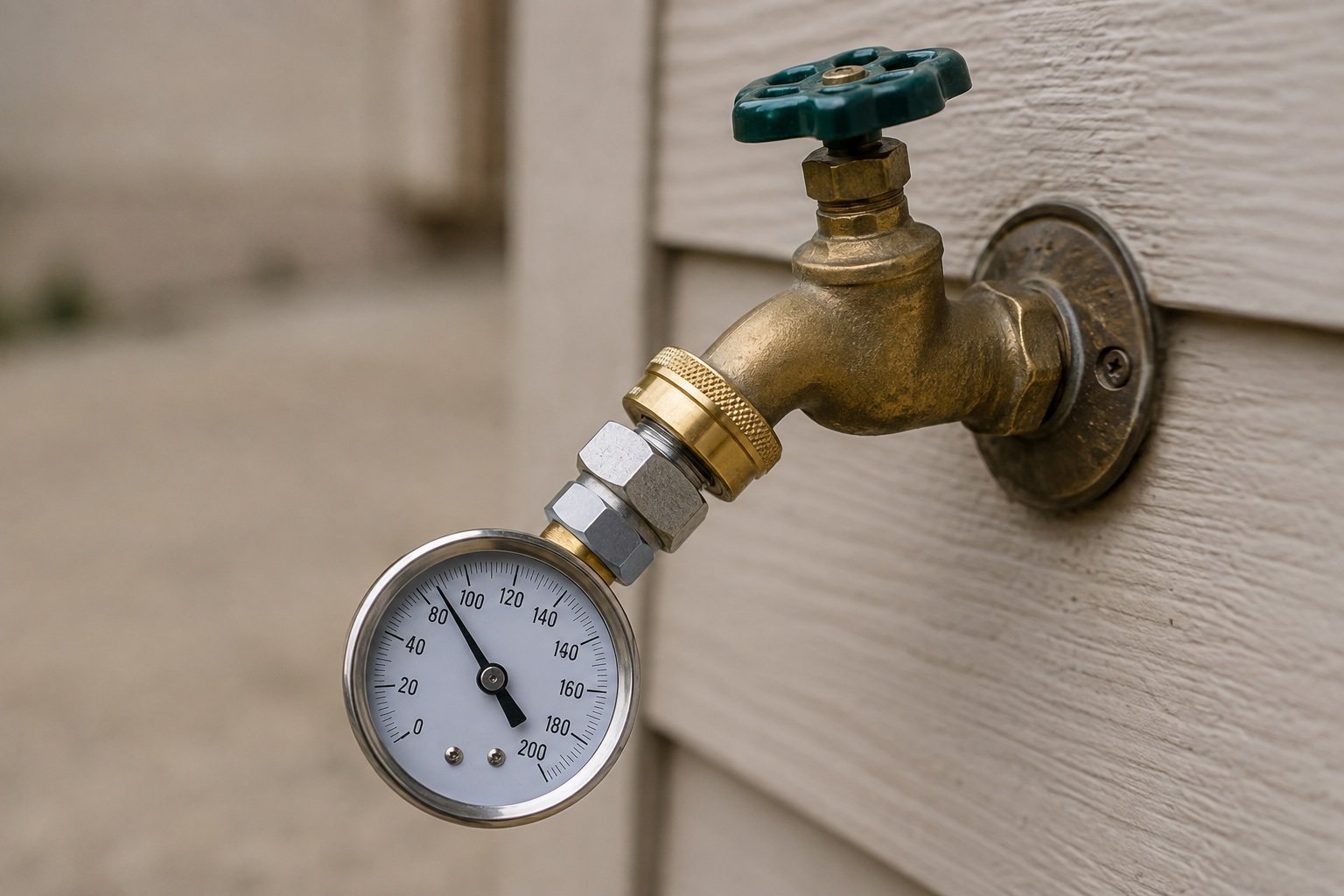
A few things worth knowing: Regulators wear out. Most last ten to fifteen years, and Peter just replaced his at about twelve. They rarely fail cleanly. They work, then sort of work, then stop. Neighborhood pressure also varies by day and time of day, so one reading is a snapshot rather than the answer. And regulators are usually not required for landscape irrigation, so if your hose bibs and sprinkler lines are teed off ahead of the regulator, they will read significantly higher than your interior fixtures. That is normal. It does mean that understanding where your regulator sits relative to the bib you are testing is critical, because otherwise you may be reading the wrong number.
Leak Sensors: Cheap and Easy
Leak detection sensors have gotten cheap enough that price is no longer a real consideration. Most work the same simple way: two low voltage contacts on the underside of the sensor complete a circuit when water bridges them. Then the sensor fires off an alert.
These sensors ship from Amazon, they need no plumber, and installing one means putting a battery in and setting it on the floor. We use the GoveeLife Upgraded Smart Water Leak Detectors. When one triggers, an alert goes to your phone by app, text, or email. Whether it also sounds an audible alarm in the house depends on the product, so check before you buy. After Tregg sent his insurance carrier verification that his were installed, they applied a discount to his homeowners premium. Not every carrier does this for sensors alone, and many reserve their credits for full shutoff systems, but it costs nothing to ask your agent.
Be alert that some inexpensive sensors connect only by Bluetooth, which means they reach your phone only when your phone is within range of the sensor. Most serious water damage happens while nobody is home. Buy a Wi-Fi version. Put sensors flat on the floor at the lowest point near every water source: under each sink, beside each toilet, next to the water heater, behind the washing machine, at the dishwasher, behind the refrigerator if it has an ice or water line, at the HVAC condensate pan, and at pool equipment.
Smart Flow Valves
Sensors tell you there is a problem. They do not stop the leak. A flow based shutoff valve, however, installs on the main water line, learns the household's normal water usage, and closes the valve when it sees a pattern that does not fit. Most also run an automatic overnight pressure test, closing the valve briefly and watching for pressure loss. Moen calls this the MicroLeak or Health Test, and the company states it can identify a drip as slow as one per minute, which is the kind of leak that surfaces inside a wall months later. "Away" mode shuts off interior water when any flow is detected while you are traveling. Various manufacturers offer these valves. There is a learning curve in understanding how they respond, but we think it is well worth it.
Some insurance carriers offer a premium credit for these systems, and a growing number now require one as a condition of writing or renewing certain higher value California homes. Water damage and other casualty claims also follow the property, not the owner. What happened in a house years ago shapes what insurance the next buyer is offered, and it can become a hurdle when it comes time to sell.
Call Us First
We have walked clients through pressure readings, carrier requirements, device selection, and the plumbers to install them, including on homes we sold years ago. If you are weighing any of this, call before you buy anything. Twenty minutes on the phone now is a better use of everyone's time than a water damage claim later. We care about protecting you.
Your Trusted Advisors,
Peter and Tregg
Copyright © 2025–2026 Peter Maurice and Tregg Rustad. All rights reserved. Unauthorized use, reproduction, or distribution of this content is prohibited.